
Decompression

A gentle, non-surgical way to take pressure off a painful disc

When a disc bulges or herniates, it can press on a nearby nerve — and that pressure is often what causes back or neck pain, sciatica, and tingling down an arm or leg. Spinal decompression is designed to relieve that pressure at its source, without surgery, injections, or downtime.

Instead of masking pain, it gently unloads the disc so it has room to settle, rehydrate, and heal — which is why so many patients try it before considering an operation.
Request AppointmentRequest Appointment

How it Works — Stretch, Release, Relieve

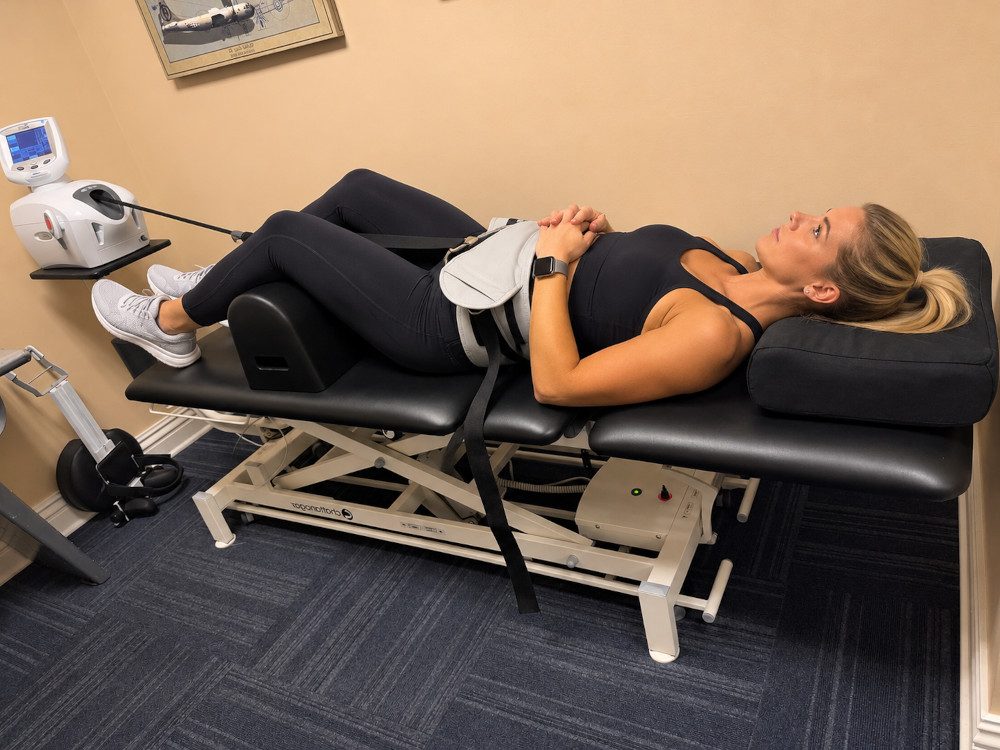
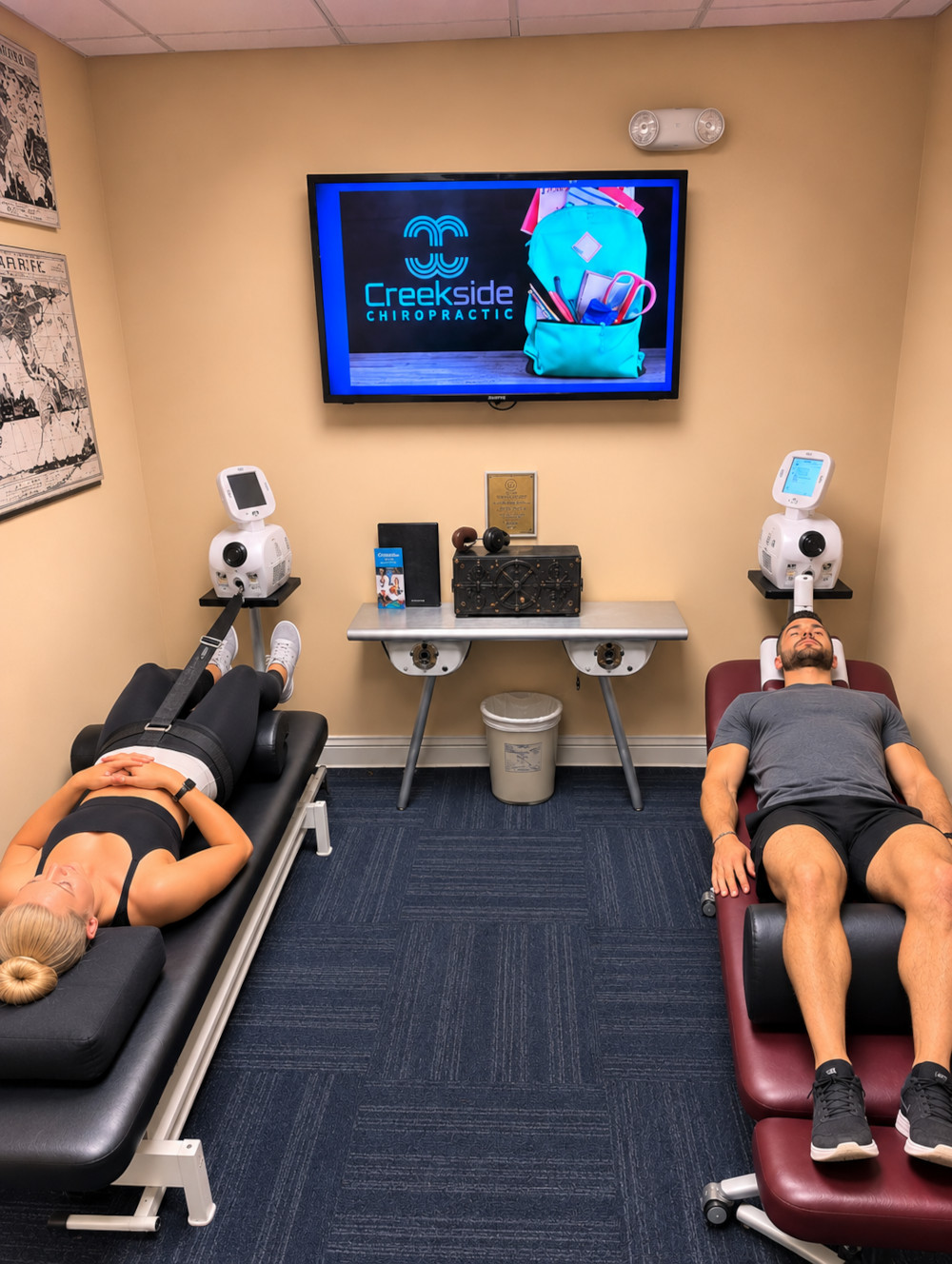
  1.   You relax on the table. You lie fully clothed on a motorised table while a harness is fitted around your pelvis (and, for neck treatment, your head). No anaesthesia, no needles.
  2. The table stretches in cycles. A computer controls a slow pull-and-release pattern — not a constant tug — so your muscles don’t guard and resist, and the force reaches the disc.
  3. Pressure inside the disc drops. Gently separating the vertebrae creates negative pressure inside the disc, the change WebMD describes as taking pressure off the gel-like cushions between the bones of the spine.
  4. The disc gets a chance to recover. That negative pressure may help bulging or herniated material retract away from the nerve, while water, oxygen, and nutrients flow back into the disc, supporting hydration and healing.

Why Patients Choose It

  • No surgery, no downtime. You walk in, lie down for a session, and walk out. Most people return to normal activities within a few days depending on the disc condition at the start of treatment. 
  • It targets the cause. By unloading the disc and the nerve it is irritating, decompression addresses the mechanical problem behind the pain, not just the symptom.
  • Comfortable and precise. Force is calibrated to the specific spinal level being treated and adjusted through the session.
  • Encouraging research. Studies of decompression and mechanical traction have reported reduced pain and disability for disc herniation, and imaging research linked increased disc height after a six-week protocol with a drop in discogenic low back pain. A narrative review of non-surgical care for lumbar disc herniation also lists traction-based therapy among the conservative options with clinical evidence.
Request AppointmentRequest Appointment

Who It Can Help — and What a Course Looks Like

Creekside Chiropractic uses non-surgical decompression for herniated and bulging discs, degenerative disc disease, sciatica, worn spinal joints and injured or diseased spinal nerve roots. A typical session lasts 12 to 15 minutes, and a course often runs to 24–36  treatments over five to seven weeks.

It is not for everyone. Talk with Dr. Tate about about if decompression therapy is right for you.

Call Us Now!